
April 10, 2007 • Norm
Aranui 3 Day 4: The Taxi Driver, the New Car, and the Tire That Gave Up
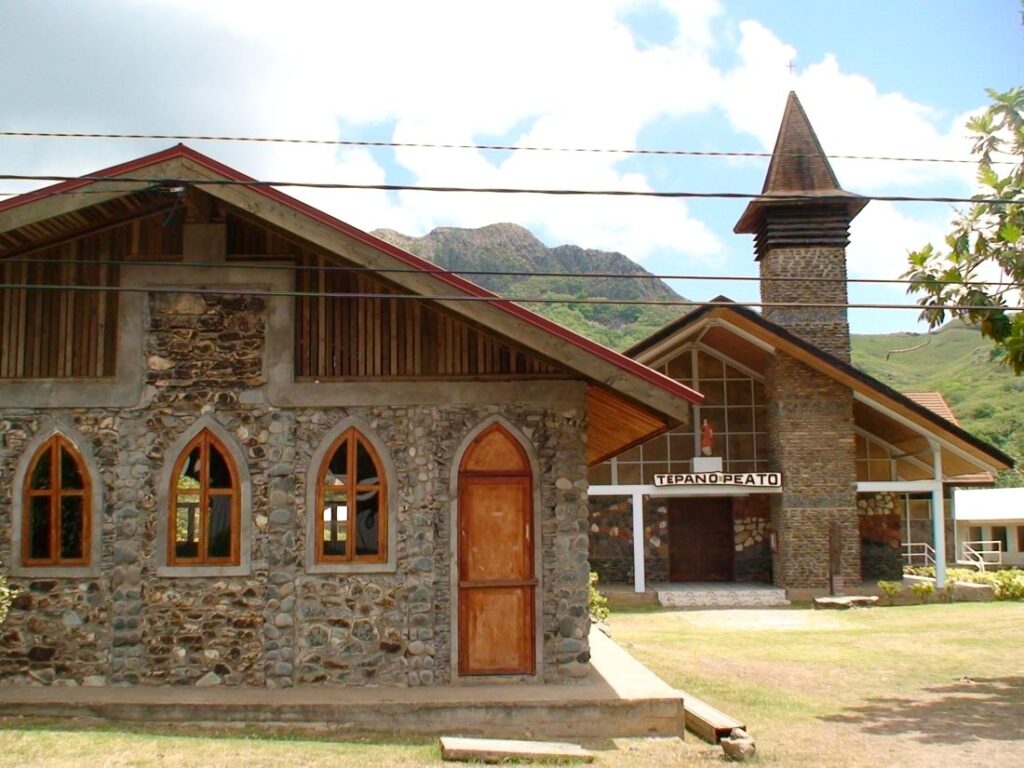
Day 4 · Ua Pou: Hakahau and Hakahetau · 10 April 2007
There are moments in travel when you think your taxi driver has forgotten you.
Sometimes he has not.
Sometimes he is waiting for his brand-new car to be unloaded from a cargo ship.
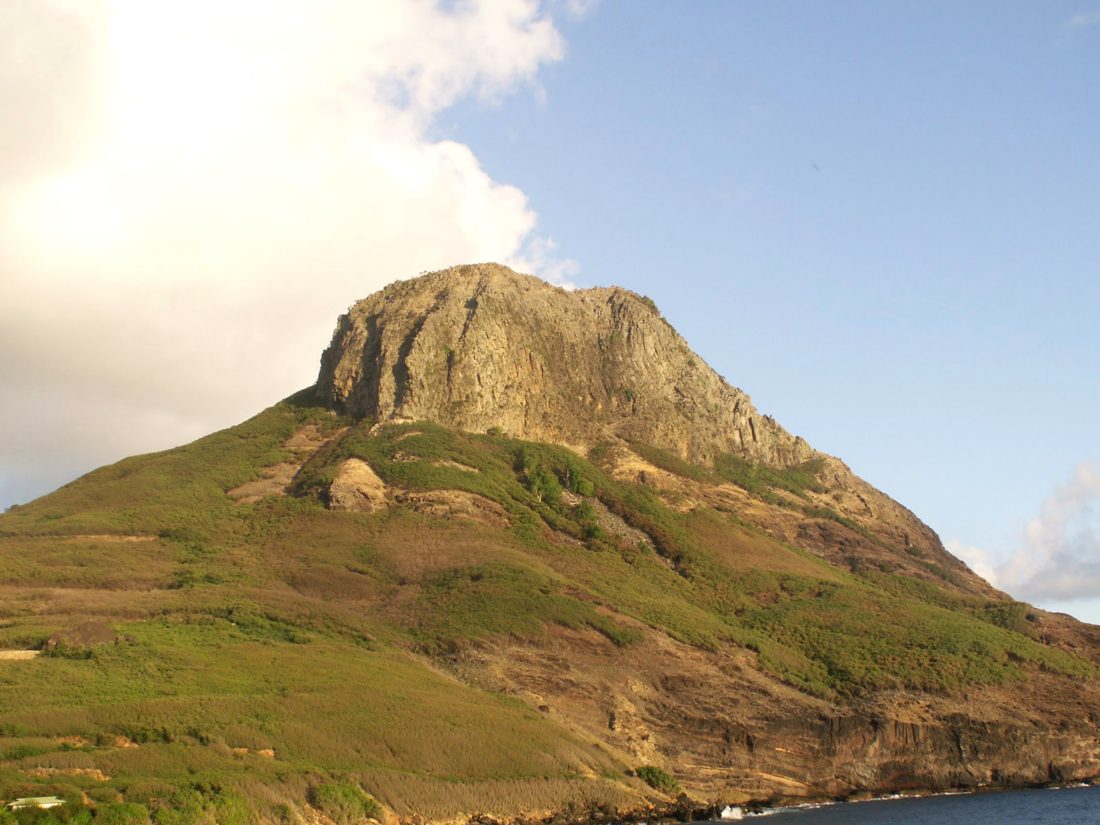
We arrived at Ua Pou around 5:30 in the morning, pulling into Hakahau harbour after three days mostly at sea. The island looked dramatic and strange, with green hills, low clouds, and a dozen rocky spires rising from the mountains like something from another world.
The Aranui tied up to the cement dock and immediately became the most important thing on the island.
Vehicles, containers, supplies, and precious gasoline were unloaded. The whole harbour seemed to be waiting for something.
Looking for Flower Stones
Instead of wandering only around town, we wanted to search for the famous flower stones near Hohoi. The local artisans told us there was only one registered person who could take paying passengers.
His name was Isadore.
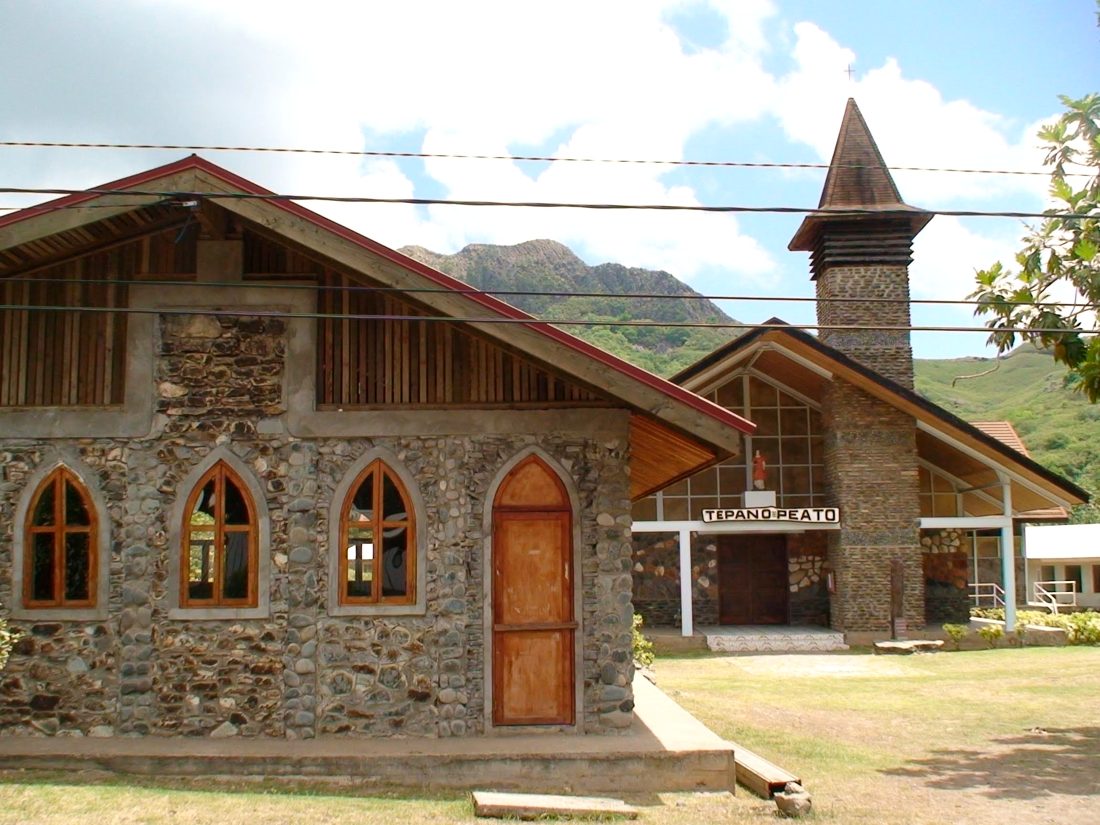
I spotted him driving by and ran over. We agreed on a price. He said he would return soon.
Then he disappeared.
We waited. We wandered. We tried to find another ride. We considered hitchhiking but were told almost nobody went that way.
Eventually, I climbed toward Pension Pukuee looking for help.
That is when Isadore arrived, with my family already inside his white Nissan.
He had not forgotten us. He had been waiting for his brand-new vehicle to be unloaded from the Aranui.
Naturally.
The Second Automatic on Ua Pou
Isadore drove us to his house, where his wife was washing the new car before its first proper journey. It had three rows of seats and air conditioning.
Luxury.
He also told us it was only the second automatic vehicle on Ua Pou.
This became clear immediately.
The stopping was dramatic. The reversing required investigation. The learning curve had sound effects.
By the end of the hour, he was improving. So were our prayer habits.
Roads, Stones, and an Avalanche Beach
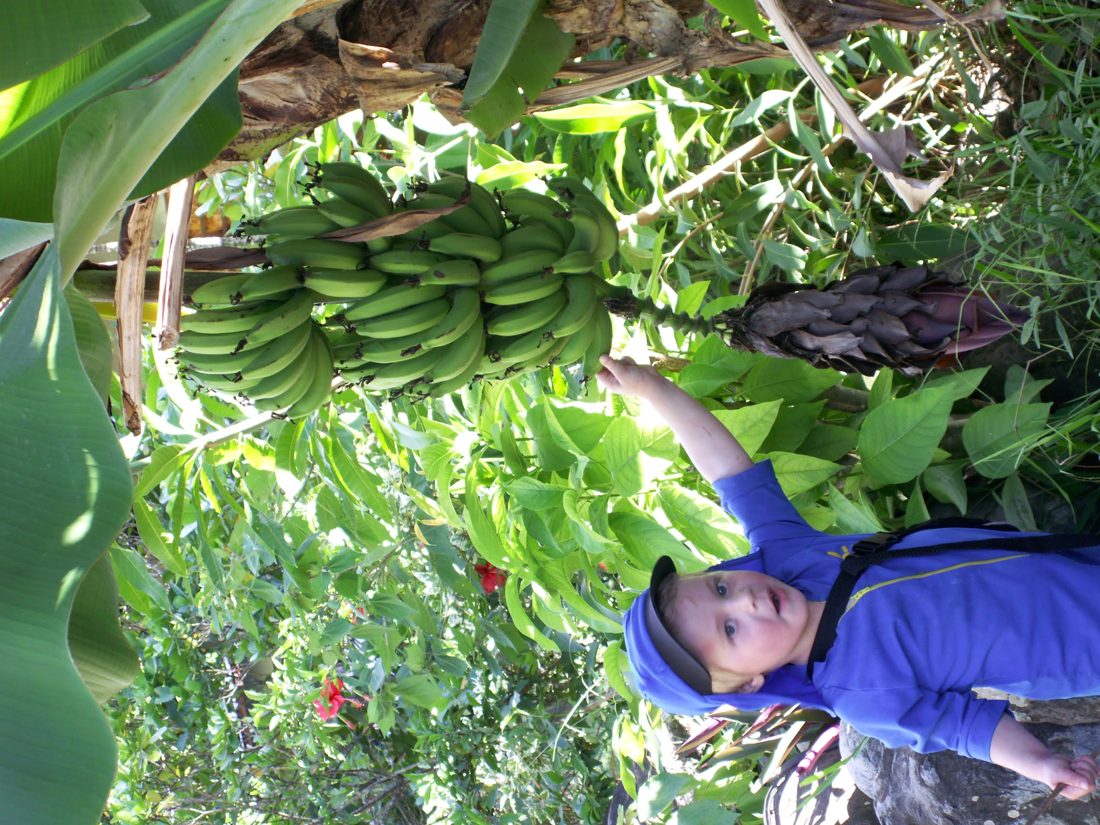
The road to Hohoi was rough, dusty, rocky, and clearly best driven by someone local. We crossed stream beds, passed mango and banana plants, climbed mountain passes, and looked down over bays and spire-topped ridges.
Hohoi had about 80 residents and was preparing to host the 2007 Marquesas Festival. We visited a tohua restoration site where local villagers and an archaeologist were rebuilding an ancient gathering place.
Then we went to the beach to look for flower stones.
We found green, purple, and smooth rounded stones, but no flower stones. The beach itself explained how the rocks became so polished. Waves crashed in, rolled the stones up the shore, then dragged them back with a sound like a pebble avalanche.
The children filled their pouches with treasures anyway.
Lunch, a Flat Tire, and Toilet Paper Cargo
We returned just as a dance performance was ending. Then we heard the hiss.
Isadore’s brand-new vehicle had a flat tire.
A rock had damaged the sidewall, and the car slowly sank while we watched. He waved us toward lunch and promised flower stones and music CDs when we returned to Ua Pou later in the voyage.
Lunch at Chez Rosalie was excellent: shrimp potato salad, octopus, cooked bananas, rice, and bright yellow watermelon.
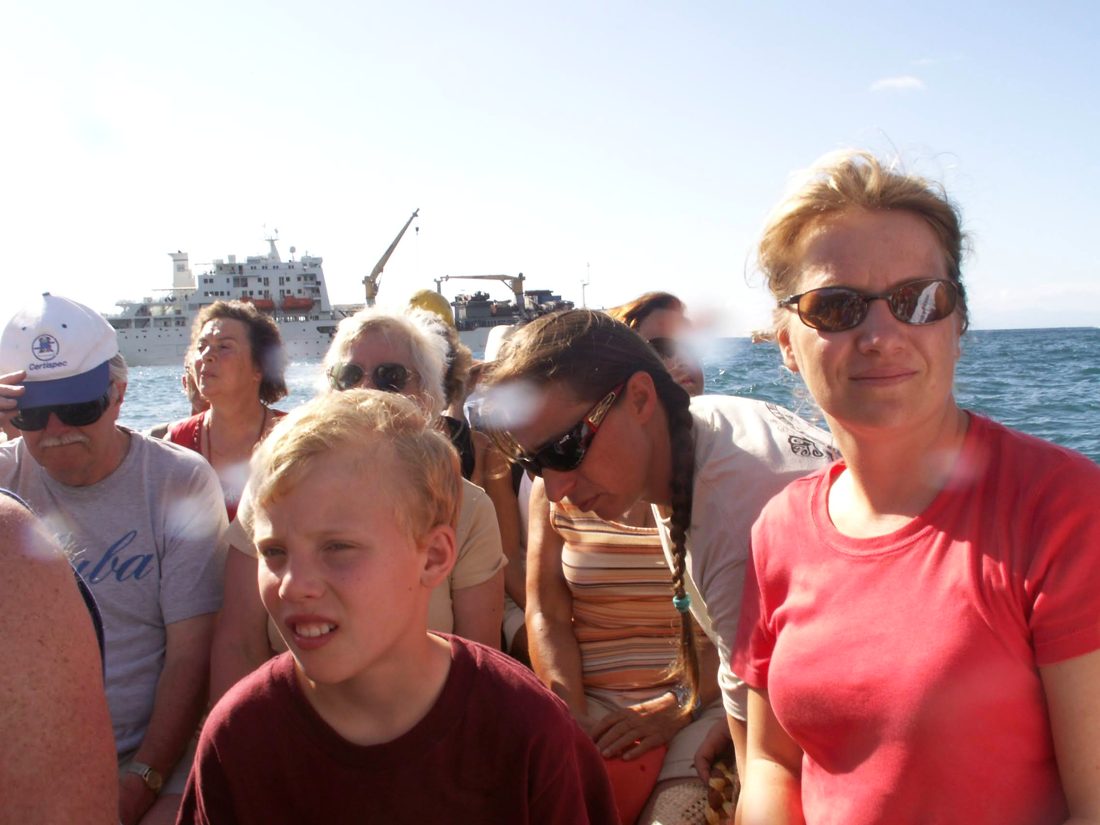
Later, the Aranui took us to Hakahetau, a smaller village of about 200 people. We landed by whaleboat in rough water, hiked to a lookout covered in drying coconuts for copra, and watched local cargo being moved by hand.
The final load I saw leaving was a pickup truck full of toilet paper.
At least 400 cases.
I made the obvious observation that this was important cargo.
Some truths are universal.